

BLOG

The Gift of Feedback
High performance requires more than trust. It requires the candor to face what is not working, even when the truth is uncomfortable. The strongest teams create an environment where people can challenge performance without attacking the person, and where feedback is received as a gift rather than a threat.

Every Role Matters
People know when leaders truly value their contribution. Saying “every role matters” is not enough if the way the team operates sends a different message. High-Trust Leaders make respect visible through clarity, attention, support, and recognition. The real test is not what you say about your people. It is what they experience.
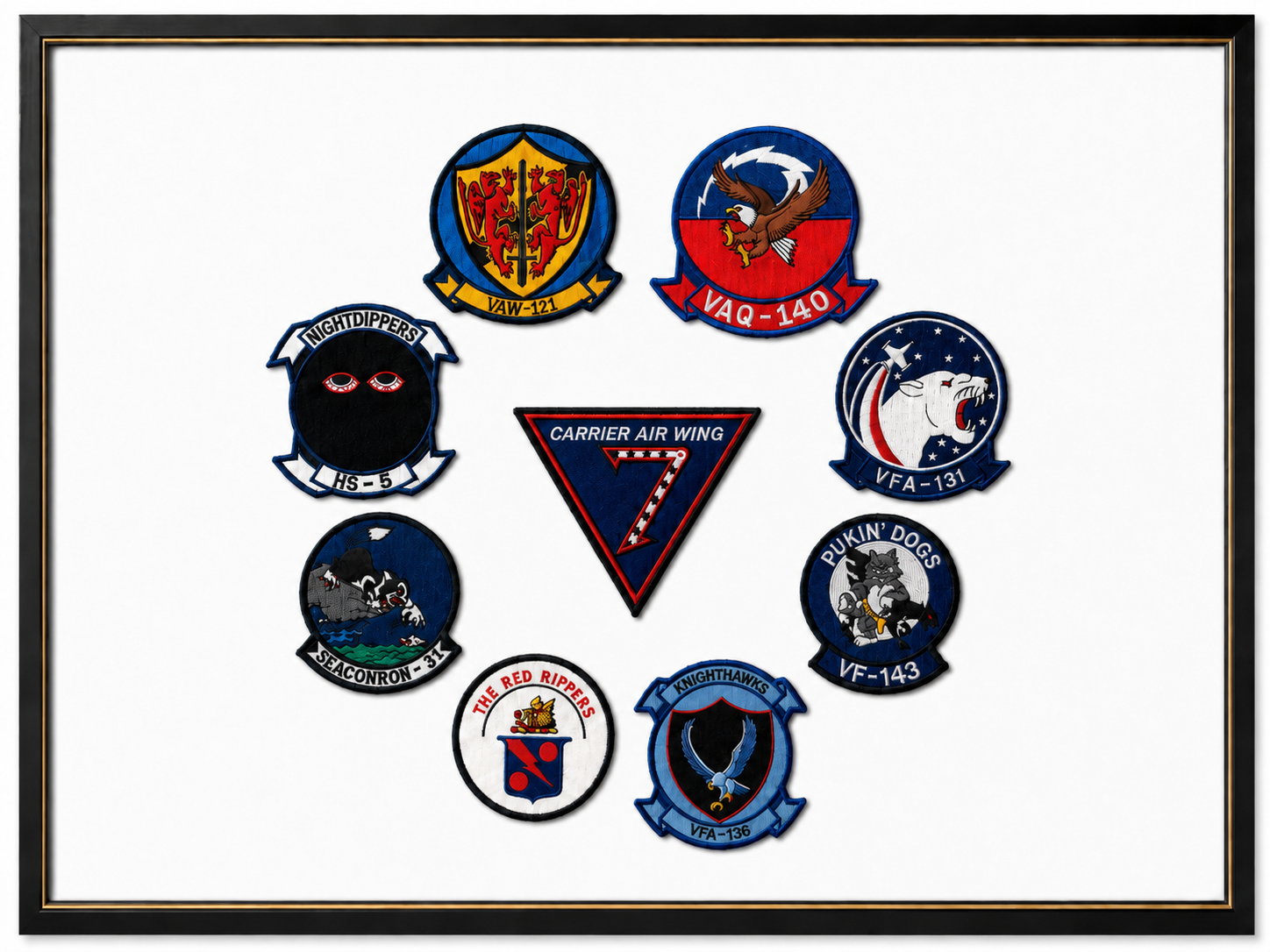
What Is Your Team’s Patch?
Every team has an identity, whether leaders shape it intentionally or allow it to form by default. The strongest teams develop a story, standards, and sense of belonging that endure even as people come and go. The question is not whether your team has a story. It is whether that story strengthens the mission—or works against it.

Making Connection is Inconvenient
Leaders are expected to use time wisely. But when efficiency shapes nearly every interaction, leadership can become transactional. Real connection requires attention, presence, and effort. It often means choosing the slower, more personal response when a faster one would be easier. That inconvenience may be exactly what makes the connection meaningful.

Trust Is A Passport
Trust is the passport to enter relationships that matter. But that permission is never automatic. Leaders earn it through character, commitment, competence, connection, and communication. The question is not whether your title gives you access. It is whether the people who matter believe you have earned it.

Start with One Team
Most organizations know teamwork matters, but few have a disciplined way to assess and improve HOW the teams are working. The answer may not be another company-wide initiative. Start with one important team, understand how it really works, and focus on the few changes that would make the greatest difference. Then use that team’s real work as the laboratory for improvement.

You Have a Teamwork Problem
Most organizations depend on teams to produce results, yet few manage team performance with the same discipline they apply to other parts of the business. Leaders may believe their teams are high performing, but how do they actually know? The answer reveals one of the most overlooked opportunities for improving organizational performance.
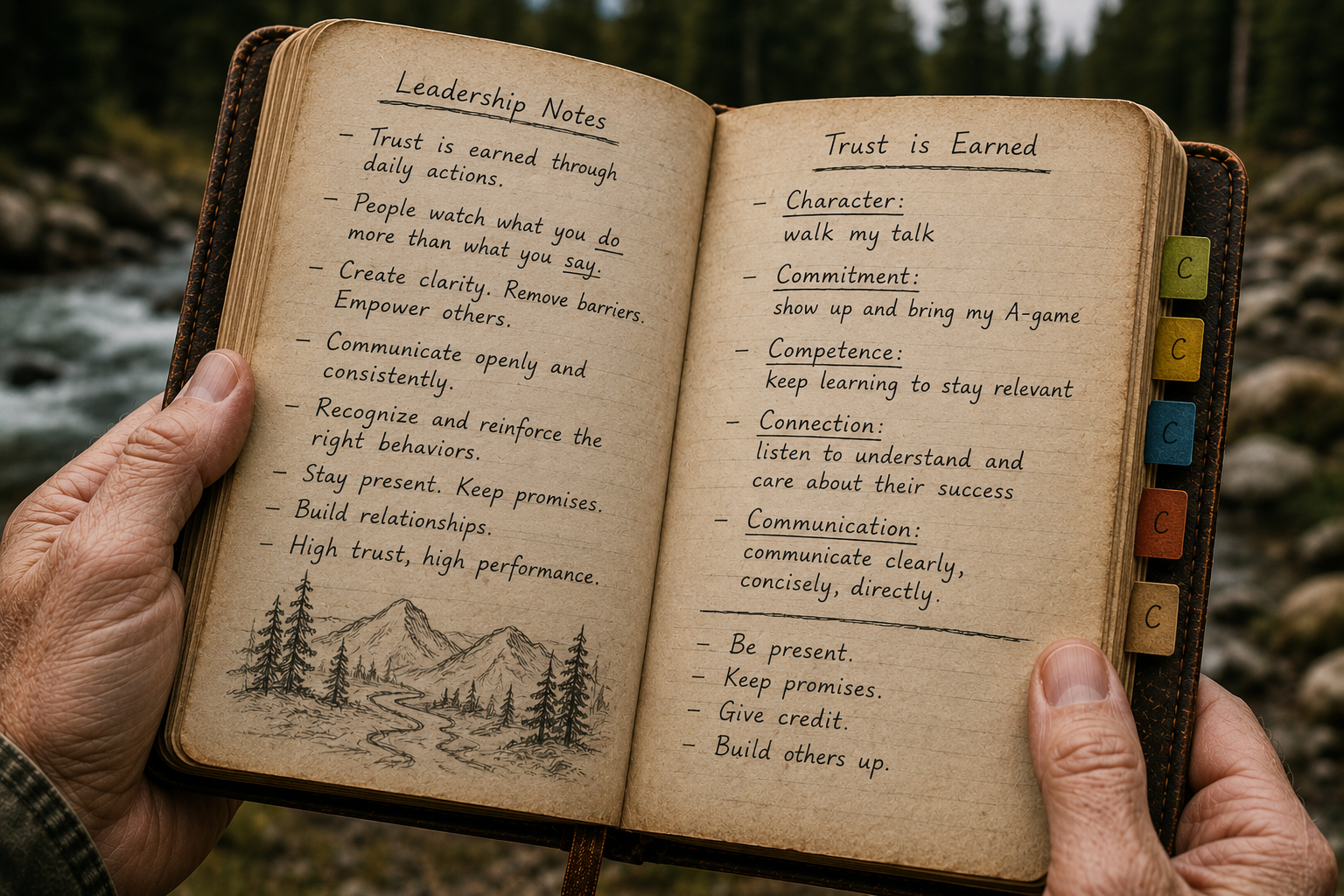
Building Trust: A Leader’s Field Guide
Trust isn’t granted with a leadership position. It has to be earned through hundreds of interactions, decisions, conversations, and promises kept. When I inherited a team struggling with mistrust and unhappiness, I used the 5Cs of Operational Trust as a practical field guide for rebuilding relationships and creating positive momentum.

Amor Fati
Years after enduring seven years as a POW in North Vietnam, Vice Admiral James Stockdale described his captivity as “the defining event of my life, which, in retrospect, I would not trade.” How could anyone say that? The Stoic principle of Amor Fati offers a powerful perspective on adversity that every leader can apply.
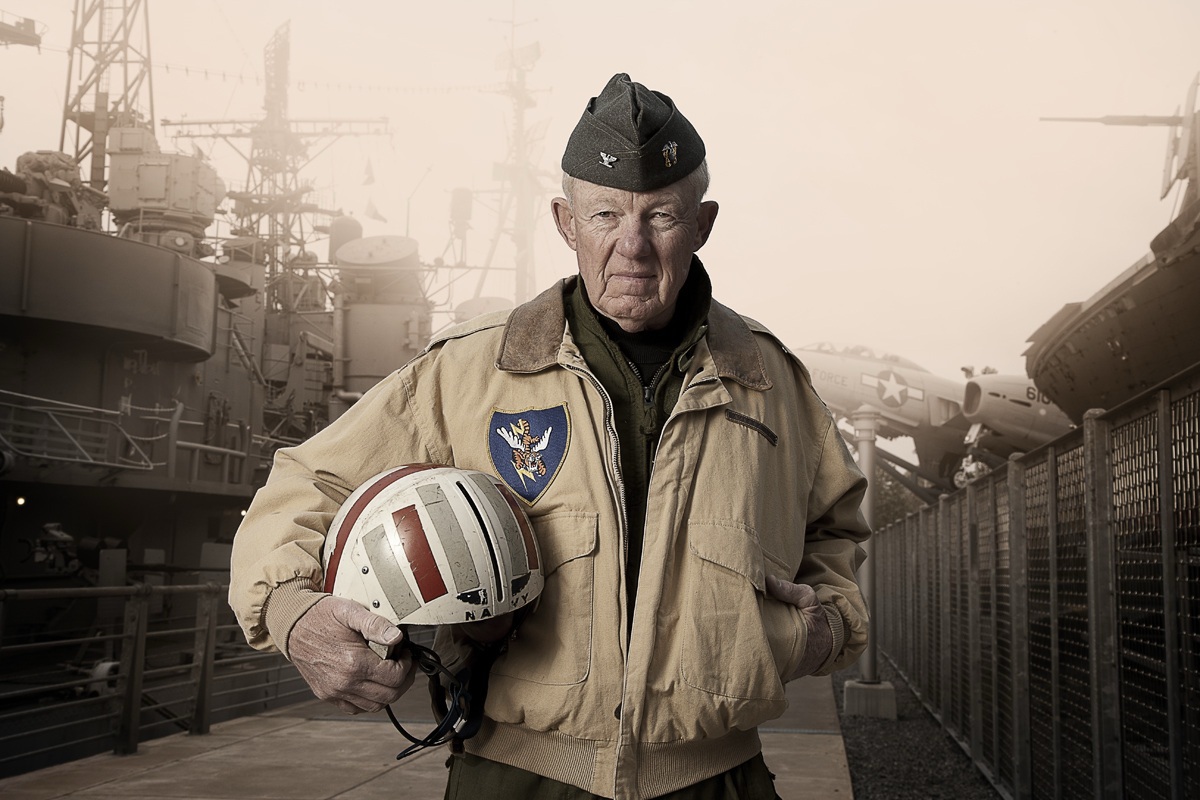
RETURN WITH HONOR
What allowed American POWs to endure years of unimaginable hardship without losing hope? Captain Charlie Plumb’s experience as a Vietnam POW is more than an extraordinary survival story. It is a powerful case study in how character, trust, purpose, and community enable leaders and teams to remain undaunted when circumstances are at their worst.

Commitment: The power of MISSION
Why do some people stay committed when others lose momentum? The answer is not willpower alone. Undaunted Leaders understand that lasting commitment comes from a clear sense of purpose—a mission strong enough to overcome pressure, setbacks, and adversity.

CHARACTER: Who Are You Becoming?
Leadership is not just about what you do. It is about who you are becoming—and whether your daily behavior earns people’s trust.
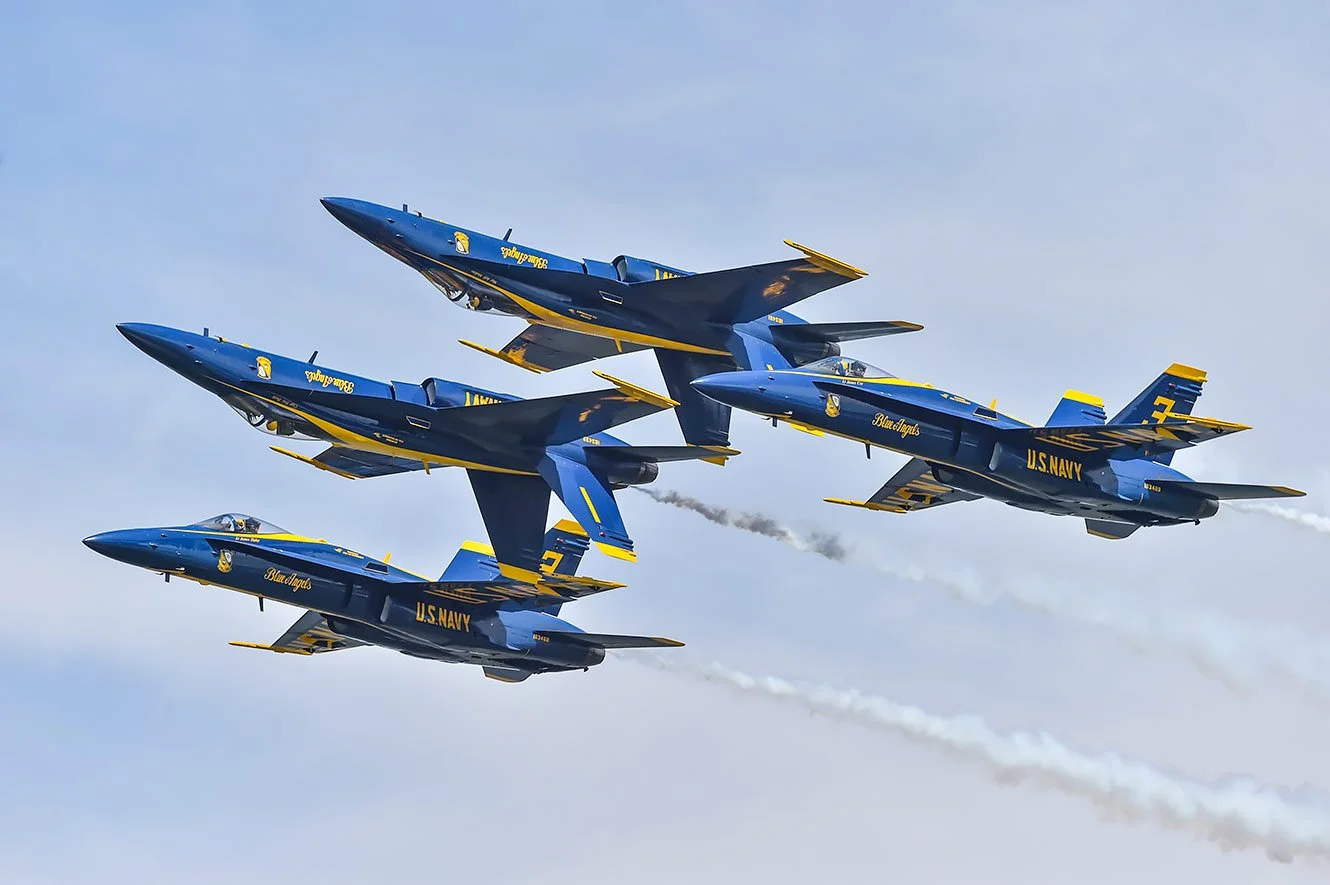
Why Undaunted Leaders Don’t Always Do What’s Practical
What looks like risk isn’t recklessness—it’s precision. And not everything worth doing can be justified by what’s practical.

Measuring Character
Character isn’t defined by what you say you believe—it’s revealed by how you behave, especially in the small moments that matter most.
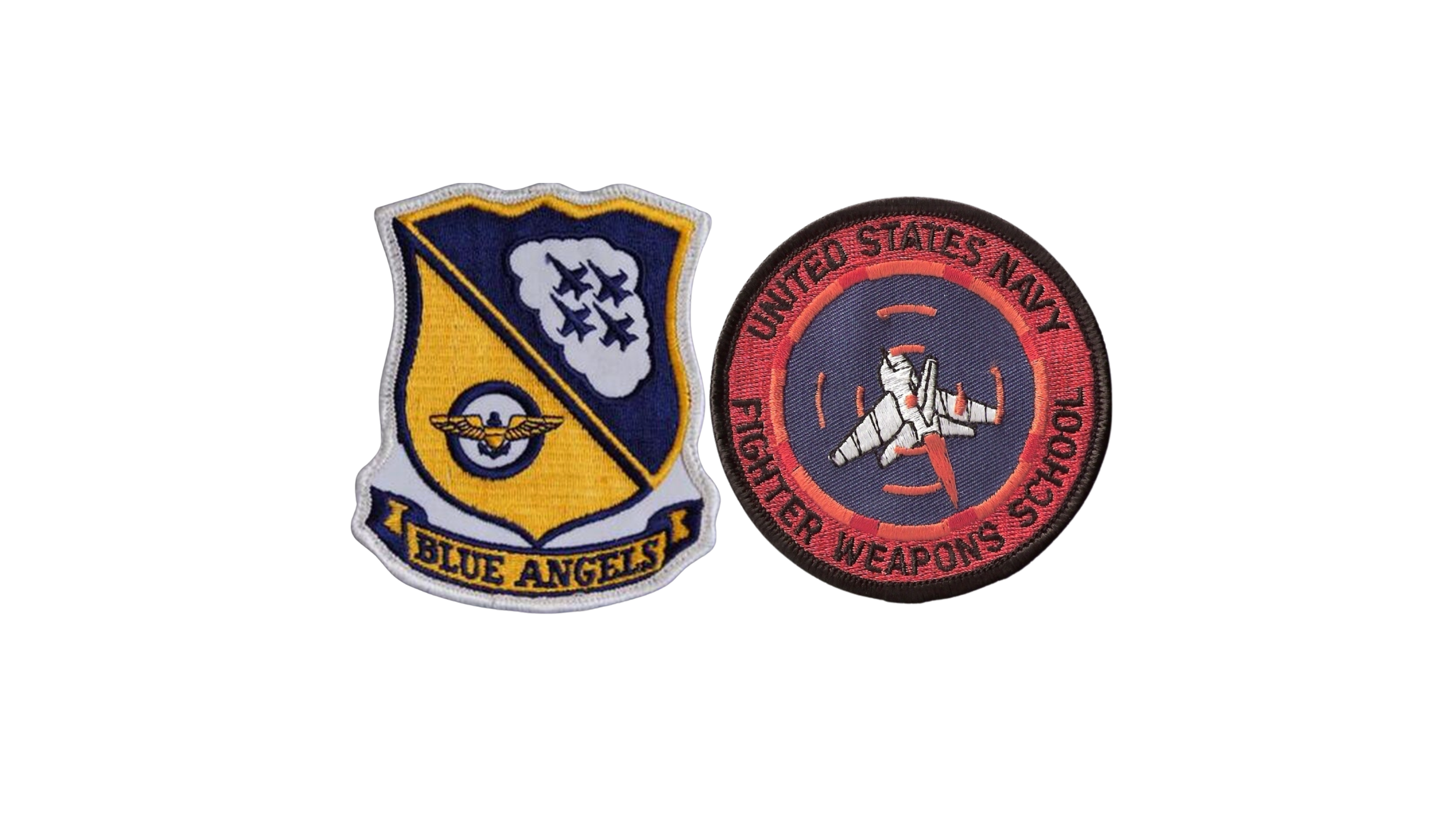
Be Confident, Not Arrogant
The best leaders combine confidence with humility. That’s what TOPGUN instructors and the Blue Angels demonstrate: balancing belief in yourself with the discipline to keep learning.
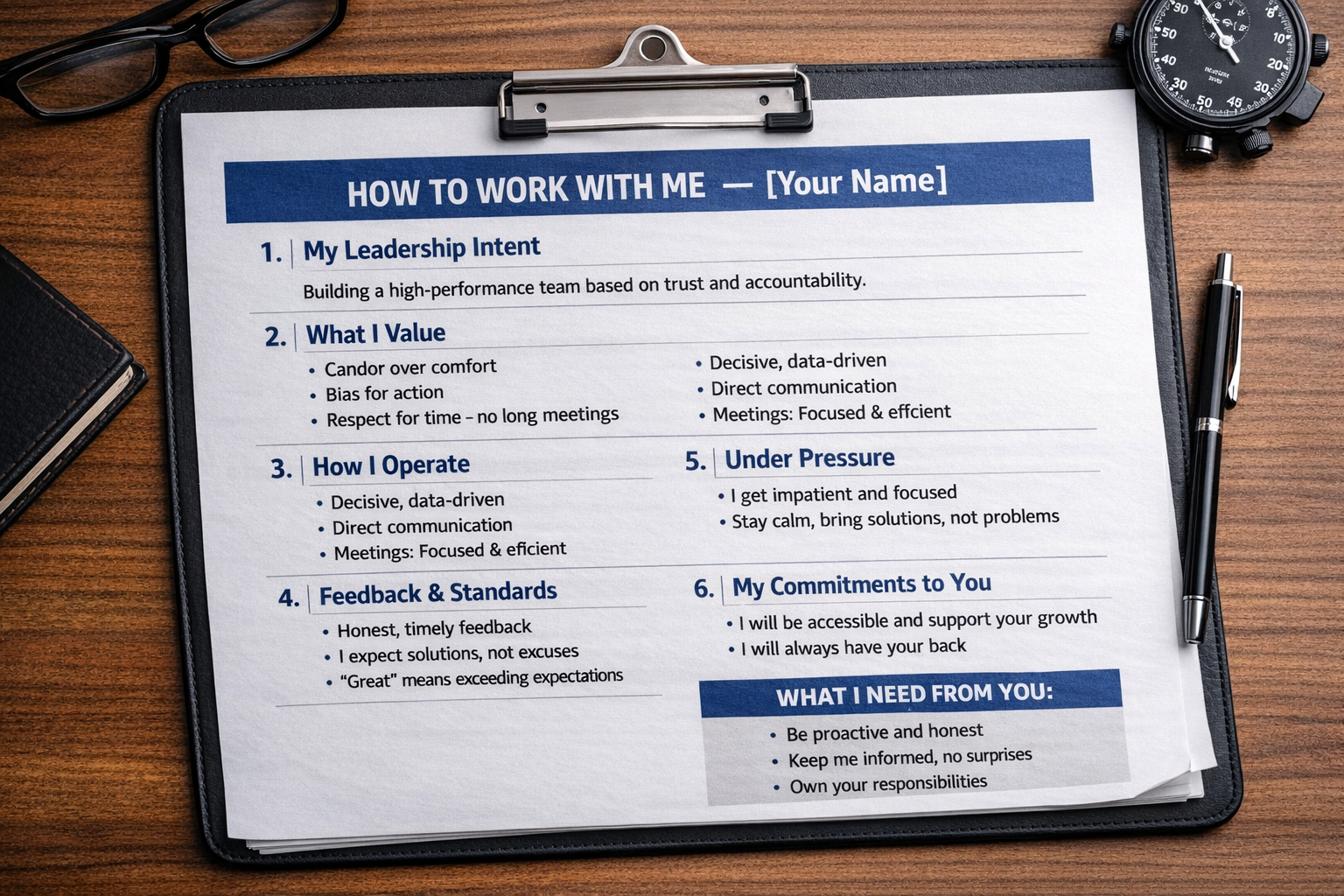
Why Every Leader Needs an Operating Manual
A Leader’s Operating Manual removes guesswork, builds trust faster, and accelerates team performance. Here’s how to build one that actually works.
Building the Fire: Human Energy and the Undaunted Leader
High performance is not a time management problem. It is an energy discipline. Undaunted Leaders build physical, emotional, mental, and spiritual energy—and learn to oscillate between stress and recovery to sustain impact.
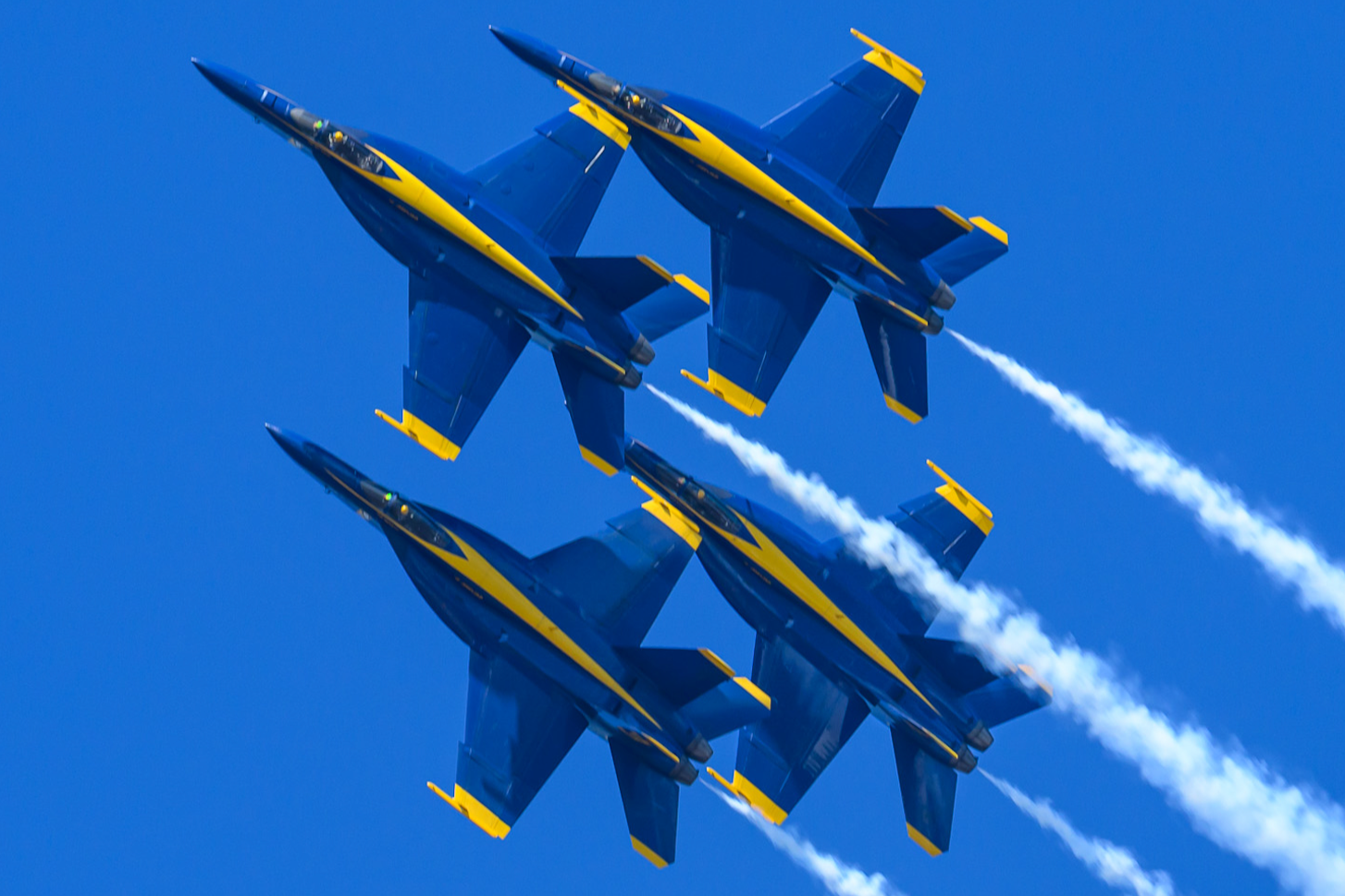
Smooth Leaders Win
Great teams don’t lose alignment because they lack talent or discipline. They lose it when leadership becomes unpredictable. This post explores why smooth, transparent leadership is a performance advantage.

A Keystone Habit To Build Trust
In his book, The Power of Habit, Charles Duhigg talks about keystone habits: “small changes or habits that people introduce into their routines that unintentionally carry over into other aspects of their lives.”
A keystone habit for building trust is KINDNESS.
But what is kindness?
Aristotle: “Helpfulness towards someone in need, not in return for anything, nor for the advantage of the helper himself, but for that of the person helped.”
Want to exercise four of the 5C's of trustworthiness in one swoop?

Strategic Vision And Belief
Strategic Vision sparks belief in others and drives bold action even when the outcome isn't guaranteed. The key word is BELIEF. Not having it all figured out, but belief that the team will prevail and find a way amid uncertainty.
The Belief Formula:
Clarity of purpose (the "why" that anchors everything)
Confidence in your training and preparation (we've done the work)
Trust in your teammates (we're not alone in this)
High level of positive physical, mental, and emotional energy