
RETURN WITH HONOR
Five Lessons in Undaunted Leadership
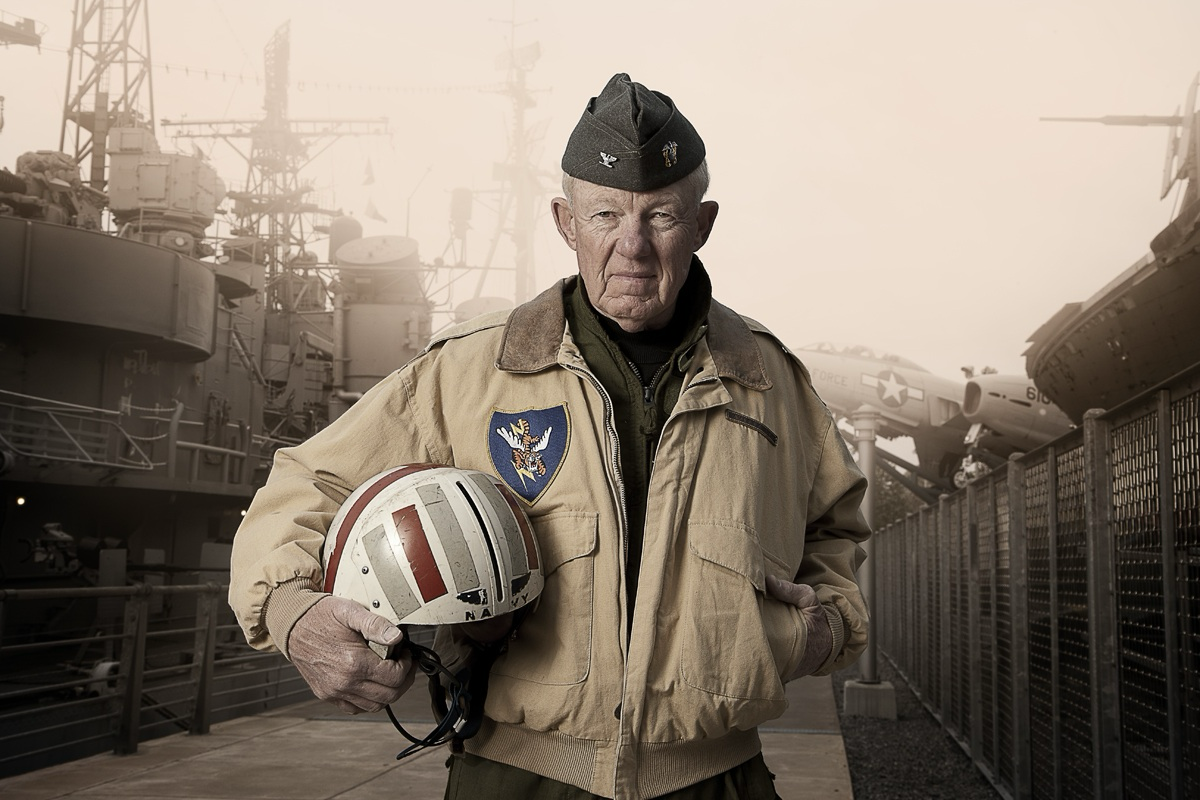
When most people hear the words “prisoner of war,” they think about survival. When I hear those words, I think about leadership and resilience.
During the latest episode of the Be Undaunted podcast, Captain Charlie Plumb, USN (Ret) shared how he and hundreds of fellow American POWs survived years of torture, isolation, uncertainty, and unimaginable hardship in North Vietnam.
Charlie wasn’t simply recounting history. He was describing one of the greatest demonstrations of undaunted leadership and trust I’ve ever encountered.
Their success wasn’t accidental. It wasn’t luck. And it wasn’t because they were somehow tougher than everyone else. It was because they built a culture grounded in five timeless principles.
During my Undaunted Leadership keynotes and workshops, I teach that high-performing teams are built on five essential foundations of trust: Character, Commitment, Competence, Communication, and Connection. Charlie’s experience demonstrates why all five matter, and how they reinforce each other.
Character – The Navy and Marine Corps’ core values are Honor, Courage, and Commitment. Those weren’t words painted on a wall or a website. They drove daily choices and decisions. Even under relentless pressure, the prisoners continually asked themselves how to remain true to these values. Character wasn’t tested once. It was tested every day.
Commitment – Where does that kind of commitment come from? It arises from a very clear, deep, and intense purpose. In the military, we call it mission. CDR Stockdale, the senior POW, gave the prisoners one simple mission: “Return with Honor.”
Those three words became their North Star. They guided decisions, strengthened resolve, and gave meaning to suffering that otherwise would have been unbearable. When your purpose is stronger than your circumstances, extraordinary resilience becomes possible.
Competence – Competence wasn’t about flying fighter jets anymore. It was about learning how to survive, lead, communicate, and care for one another under impossible conditions.
The Navy never trained Charlie for life as a prisoner of war. No one in the camp was selected for this mission. But they adapted. They established routines. They exercised. They developed a chain of command for unity and strength. They created what became known as “Hanoi University,” teaching one another everything from history and engineering to law, and even sailing! They refused to become victims. Instead, they became students.
Communication – Perhaps the most remarkable example of ingenuity was the tap code. Separated into individual cells and forbidden to communicate, the prisoners developed a simple system of tapping letters through the walls. One letter, one tap, at a time. Risking punishment every time they used it.
Communication wasn’t merely exchanging information. It was preserving hope.
Connection – Charlie said one of the greatest sources of strength was simply knowing someone else on the other side of the wall of his cell cared about him. After brutal torture sessions, prisoners would immediately “go to the wall” to communicate with the man in the next cell. Not because they had important news. Because they needed each other. In addition to sharing their hardships, they celebrated imaginary birthday parties, told sea stories, and recounted books from memory. They taught classes, gave encouragement, and reminded each other they were not alone. Their community became a lifeline.
What strikes me most about Charlie’s story is that these weren’t five independent qualities. They reinforced one another. Character strengthened commitment. Commitment inspired competence. Competence enabled communication. Communication deepened connection. Connection reinforced the other four. Together, they created an unbreakable culture capable of withstanding almost unimaginable adversity.
Most of us will never face the circumstances Charlie endured at the age of 24. But every one of us will face uncertainty and fear. Every team will encounter setbacks and disruption. Every leader will experience pressure.
The question isn’t whether you’ll be tested. The question is whether you’ve built the habits, relationships, and culture of trust before the test arrives.
When they were tested, they were part of a culture with an ethos worth protecting. That’s what undaunted leadership is all about.
Will your organization’s culture help your team withstand its next test?
Want to hear Charlie tell the story in his own words? In our conversation, Charlie shares:
* Why “Return with Honor” became the prisoners’ guiding mission
* CDR Jim Stockdale’s extraordinary leadership
* How the tap code kept hope alive
* Why community became their greatest survival tool
* The role of daily routines in building resilience
* Why confession—not perfection—built trust
* How Charlie chose forgiveness instead of bitterness and victimhood.
* Leadership lessons that still apply today
If you haven’t already, I hope you’ll take time to listen.
You’ll come away thinking differently about leadership, resilience, and what it truly means to live undaunted.