
Trust Is A Passport
How we are granted entry into the relationships that matter
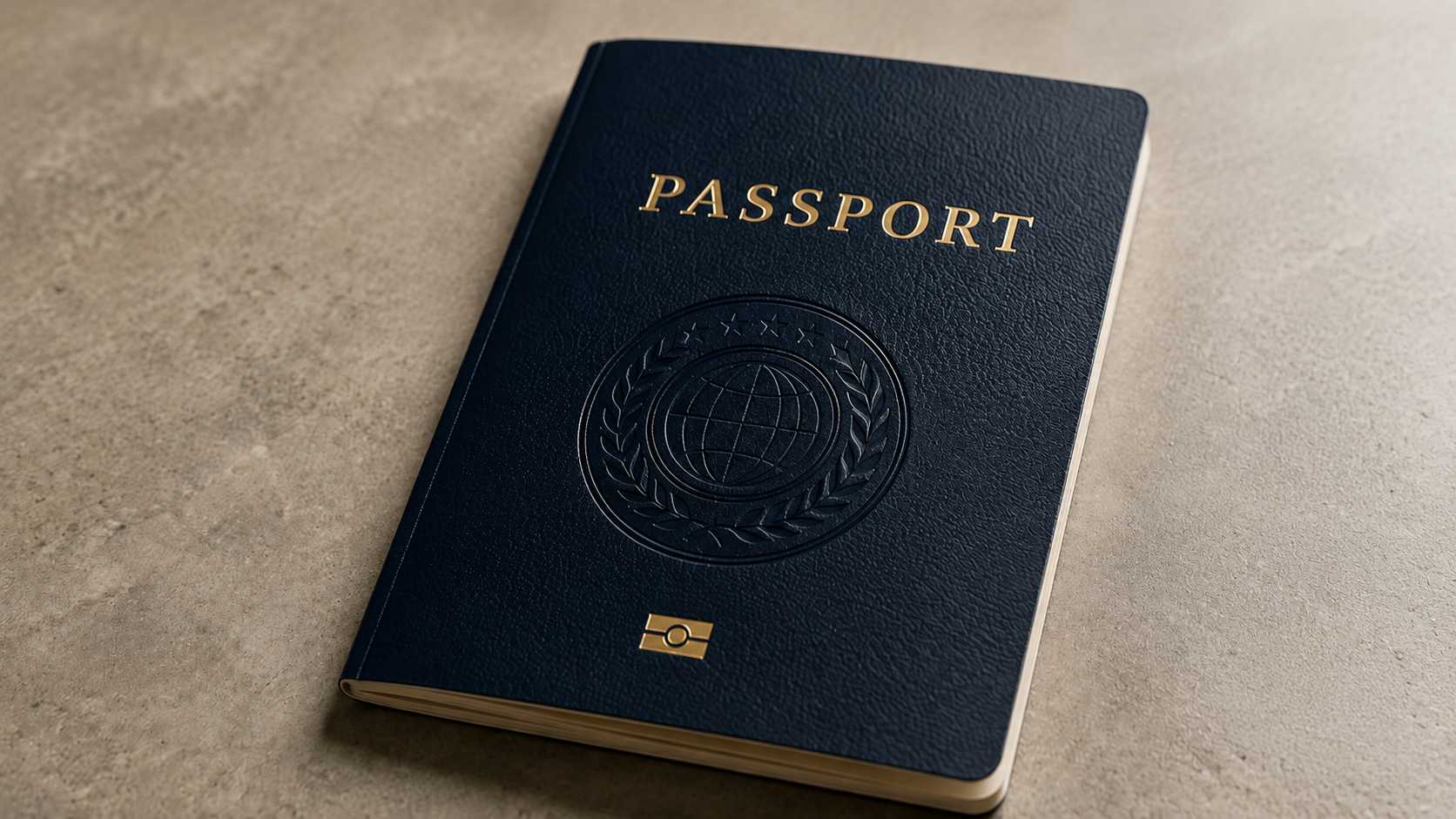
Ken Sande uses the metaphor of a passport to describe the role trust plays in deepening relationships. A passport allows you to go somewhere you could not enter without permission.
Relationships work the same way.
When people trust us, they give us access to parts of their lives they do not share with just anyone. They tell us what they really think. They reveal struggles, doubts, mistakes, fears, and ambitions. They ask us for advice, allow us to challenge them, and exchange candid feedback.
Entrance is not automatic. It is earned. Before people grant access, they consciously or unconsciously ask three questions:
Can I trust you?
Do you really care about me?
Can you actually help me?
CAN I TRUST YOU?
Will you do what you say you will do? Will you protect what I tell you in confidence? Will you treat me fairly when I make a mistake? Will you assume the best before jumping to conclusions?
In the language of High-Trust Leadership, this is largely about Character and Communication.
People watch for consistency between our words and actions. They notice whether we are candid, discreet, fair, and predictable. They learn whether it is safe to tell us the truth. Trust begins when people believe we will handle the “fine china” of their lives with care.
DO YOU REALLY CARE ABOUT ME?
People can usually tell the difference between genuine concern and polite obligation.
Do you listen because you are interested or out of obligation? Do you make time when the conversation is inconvenient? Do you stay engaged when the problem becomes difficult? Are you interested only in what someone can produce, or in the person behind the performance?
This is Commitment and Connection.
People grant deeper access when they believe we understand them, care about their success, and will still be there when things get difficult.
CAN YOU ACTUALLY HELP ME?
Good intentions are not enough.
If someone is going to allow us to influence an important decision, coach them through a difficult situation, or help solve a serious problem, they also need confidence in our Competence. Do we know what we are talking about? Have we dealt with something like this before? Are we willing to keep learning as circumstances change? And when the problem exceeds our ability, are we secure enough to admit it and help find someone who can?
Caring without competence may feel supportive, but it does not make us useful.
YOUR TITLE DOESN'T COME WITH A PASSPORT
This is where leaders often make a bad assumption.
A title or promotion gives you authority. It may give you responsibility for someone's performance. It does not give you access to what that person is really thinking. Your position alone does not automatically result in candor with access to someone's fears, frustrations, aspirations, or doubts. It’s not a given that people will challenge you, tell you bad news, admit mistakes, or ask for help. Those are privileges of trust. Too many leaders assume the promotion came with a passport. It didn't.
Parents can make the same mistake. A birth certificate establishes a relationship, but it does not guarantee that a child will invite a parent into the deeper parts of his or her life. Friendships work the same way. So do marriages, partnerships, and professional relationships.
There are no shortcuts.
ACCESS CAN BE LOST
A relational passport is not permanent. It can be strengthened through years of consistent behavior. It can also be damaged quickly through betrayal, indifference, arrogance, poor judgment, or neglect. People who once deeply trusted us no longer do.
Sometimes the passport is revoked because of one major failure. More often, access slowly narrows because we stop doing the things that earned it in the first place.
We stopped listening.
We became too busy.
We took the relationship for granted.
We assumed yesterday's trust guaranteed tomorrow's access. It doesn't.
The 5Cs of High-Trust Leadership provide a useful way to think about the passport we must earn every day:
Character: Do you have integrity? Do you live by values I respect and admire?
Commitment: Can I count on you when life gets hard?
Competence: Are you skilled and relevant? Can you actually help?
Connection: Do you understand me and genuinely care?
Communication: Can we speak candidly and understand one another?
If the people who matter most to you asked those questions today, what would they say about you?
Be a High-Trust Leader. Earn the passports that give you access to the hearts and minds of those who matter. And don’t let them expire.